

Central Virginia offers one of the most celebrated landscapes for horse enthusiasts anywhere in the country. Framed by the soft blue outline of the Blue Ridge Mountains, Albemarle County combines open green pastures with a deep equestrian heritage. From the hunt country of Keswick to the winding foothill paths of Free Union and Crozet, horse culture thrives throughout the region.
Finding the right acreage and barn setup requires specialized expertise that standard neighborhood home searches never involve. Partnering with a dedicated Albemarle County horse property realtor ensures you evaluate soils, stables, and water sources with complete precision. Having a seasoned professional in your corner helps you protect your horses and secure a legacy property.
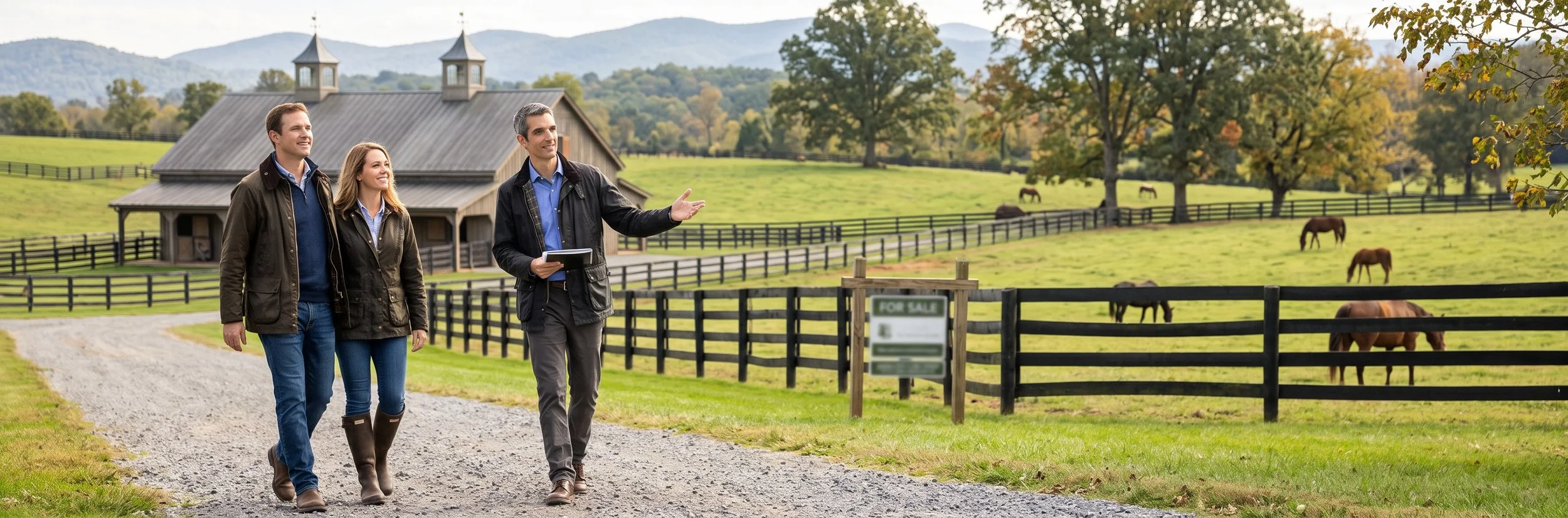
A Rich Tradition of Central Virginia Equestrian Living
Horses have shaped the culture and character of Albemarle County for generations. The countryside surrounding Charlottesville is home to private boarding facilities, Olympic-level trainers, and renowned breeding programs that welcome riders of every discipline.
Local organizations like the Farmington Hunt Club and the Keswick Hunt Club maintain traditions that date back over a century. Beyond traditional hunt meets, our area hosts schooling shows, dressage clinics, and cross-country derbies throughout the spring and fall seasons. Scenic public trail networks along regional parks and quiet country lanes give trail riders endless opportunities to explore nature on horseback.
Living here also gives you access to a top-tier equine support system. World-class large-animal veterinarians, experienced farriers, specialized feed suppliers, and custom tack makers are all within an easy drive. When you invest in a farm here, you join a passionate, tight-knit community that shares your love for the equestrian lifestyle.
Key Structural Amenities for Modern Equine Estates
Purchasing a horse property involves far more than simply finding a comfortable house. The barns, rings, and outbuildings represent a major portion of the property value and directly determine the safety of your animals.
When touring an equestrian farm, look closely at the primary stable. High-quality barns feature wide, well-ventilated center aisles, durable rubber paver flooring, and Dutch doors that provide natural light and fresh air. Wash stalls should have reliable hot water and proper drainage to prevent slips. Safe feed storage rooms must be completely rodent-proof, while climate-controlled tack rooms protect valuable leather saddles and bridles from seasonal humidity.
Fencing is another essential detail. Safe, long-lasting boundaries—such as four-board oak fencing or diamond mesh wire with a sight board—protect horses from injury. Paddock arrangements should include secure run-in sheds facing away from prevailing winds, along with heavy-duty gates that can handle daily tractor traffic.
Assessing Grazing Pastures, Soil Drainage, and Water Sources
A successful horse farm begins with the quality of the earth beneath it. Albemarle County is known for its deep Davidson clay and loam soils, which provide rich nutrients for healthy pasture growth.
However, acreage must always be verified for usable space. Rocky terrain, steep drop-offs, and dense woods limit how much grass your horses can actually graze. A standard guideline is allowing at least two to three acres of well-maintained pasture per horse to avoid overgrazing. Rotational paddocks allow grasses to recover and keep pasture weeds under control throughout the growing season.
Water availability is equally critical. A dependable well system is necessary to keep up with daily barn chores and the drinking needs of large animals. Year-round natural streams, spring-fed ponds, and automatic frost-free waterers in turnout paddocks ensure your horses stay hydrated in every season. Testing well flow rates and water purity before making an offer avoids costly surprises later.
Why You Need an Albemarle County Horse Property Realtor
Equine real estate transactions require legal and operational knowledge that general agents rarely possess. Navigating conservation restrictions, farm equipment inclusions, and agricultural tax structures calls for a focused specialist.
A qualified Albemarle County horse property realtor understands the zoning rules that govern animal density, commercial boarding, and riding lesson programs. If you plan to host clinics or board outside horses, local ordinances dictate driveway width, client parking, and barn setbacks from neighboring property lines.
Your representative also understands the local micro-markets. The sprawling historical estates of Keswick carry different architectural standards and price ranges than the mountain-view farms of Ivy or the peaceful trail properties in Earlysville. Working with an agent who understands these local nuances helps you find the right match for your equestrian goals.
Understanding Conservation Easements and Land-Use Programs
Albemarle County places a strong emphasis on preserving open space, working farmland, and historic viewsheds. Because of this, many rural parcels are protected under conservation easements held by organizations like the Piedmont Environmental Council or the Virginia Outdoors Foundation.
These legal agreements prevent dense subdivisions and commercial development, preserving the quiet country atmosphere for future generations. However, easements can also dictate where you may build a covered arena, how many stalls your barn can contain, and whether you can add an apartment for a barn manager. Reviewing these restrictions during your contingency period ensures your future construction plans are fully permitted.
In addition, many working horse farms qualify for Virginia’s land-use taxation program. This program taxes acreage based on agricultural productivity rather than market development value, saving property owners thousands of dollars each year. An experienced agent will verify whether a property is enrolled and ensure the tax status transfers smoothly at closing.
Balancing Lifestyle Comfort with Equestrian Utility
While the horses need top-tier accommodations, your own comfort is just as important. The best country estates offer a seamless balance between modern residential luxury and efficient farm operations.
Many properties feature historic farmhouses with heart-pine floors, stone fireplaces, and wraparound porches, while others offer custom modern residences with panoramic views of the Southwest Mountains. Having separate farm entrances keeps heavy delivery trucks, hay wagons, and horse trailers away from the main residence driveway, maintaining privacy and quiet around the home.
Proximity to town is another key benefit. In Albemarle County, you can spend your morning riding through rolling fields, take a quick fifteen-minute drive to the Downtown Mall for lunch, and spend the evening enjoying cultural events or lectures at the University of Virginia. It is a rare combination of rural peace and urban convenience.
Start Your Farm Search with Realtor Jamie White
Whether you are looking for a competitive show facility, a peaceful hobby farm, or a private breeding estate, Albemarle County offers an equestrian lifestyle that is hard to match anywhere else in the nation.
When you are ready to explore the rural market, Realtor Jamie White provides the expert representation you need. Known for clear communication, discreet service, and extensive regional knowledge, Jamie White understands the unique requirements of equine properties. From evaluating barn footing and inspecting fence lines to reviewing easement guidelines and negotiating land contracts, Realtor Jamie White guides you with total professionalism. As a trusted horse property realtor, Jamie ensures every detail of your transaction is handled with care. Reach out to Realtor Jamie White today to begin your search for the ideal equestrian property.