
Buying a home is one of the most exciting milestones in a person's life. In a beautiful, vibrant area like Charlottesville, it is easy to fall in love with the historic charm of Belmont, the leafy streets of Fry’s Spring, or the mountain views in Albemarle County. When you walk through an open house, you might start imagining where to place your couch or how you will spend your weekends.
However, it is easy to let the excitement overshadow potential problems. As you search, you must learn to spot the biggest red flags for home buyers before making an offer on a house. Knowing which issues are easy fixes and which ones will break your bank is the best way to protect yourself and your money.
The Foundation: The Red Clay Challenge
One of the most expensive parts of a house to fix is the foundation. A bad foundation can compromise the safety of the entire structure. In Central Virginia, this is especially important because of our famous local red clay. While this clay is great for our scenic vineyards, it is tough on homes.
Our local clay soil acts like a giant sponge. It expands when we get heavy rain and shrinks during dry summer spells. This constant moving puts immense pressure on underground foundation walls. Over decades, this pressure can cause brick, stone, or concrete foundations to crack, bow inward, or sink.
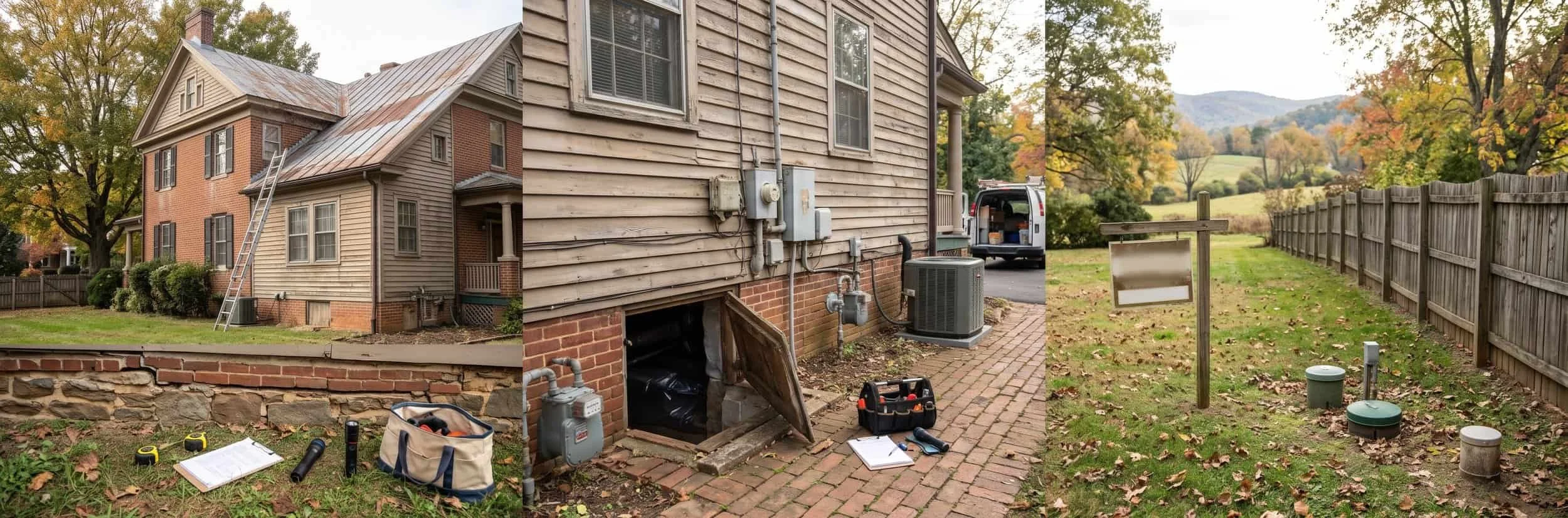
When you tour a home, look closely at the basement or crawl space. Long horizontal cracks in the masonry often signal that the soil is pushing the wall inward. Stair-step cracks in exterior brickwork are another warning sign that the home is settling unevenly. If the floors inside the house slope or the doors do not close right, the home might be shifting. Fixes here can easily run into tens of thousands of dollars.
Water Damage: The Invisible Enemy
Water is the most common cause of home damage, and it can be incredibly sneaky. A small, unnoticed leak can slowly rot wood, ruin drywall, and invite mold. Since Charlottesville gets plenty of rain and snow, water issues can escalate quickly.
Start by looking up at the ceilings in every room. Water stains, peeling paint, or bulging drywall on top floors usually mean there is a roof leak. On lower levels, stains might point to plumbing problems. Pay attention to any musty odors, especially in basements or crawls spaces, which often suggest hidden dampness.
You should also examine the grading, or slope, of the yard outside. The ground should always slope away from the house to guide rainwater away. If the yard slopes toward the home, or if the gutters are clogged and overflowing, rainwater will pool around the foundation. This can lead to wet basements and serious structural rot.
Aging Roofs: More Than Just Shingles
A roof is your home's first line of defense against the elements. Replacing one is a major expense. On average, a standard asphalt shingle roof lasts about twenty to twenty-five years. If you are looking at older homes in historic districts like North Downtown, you might even see slate or tin. These are beautiful, but they can be very pricey to repair.
While a home inspector will get on the roof, you can spot some signs of trouble from the ground. Look for curled, buckling, or missing shingles. Pay attention to any sagging areas, which can indicate rotted wood underneath.
If the roof is nearing the end of its lifespan, it is something you must factor into your offer. Replacing a roof is not just about new shingles. It often involves replacing rotted decking, new flashing, and sometimes gutter systems.
Outdated Electrical: Safety First
Charlottesville is proud of its historic homes, but vintage properties can have vintage electrical systems. Many houses built before 1970 still have older wiring that is not meant for modern life.
In very old homes, you might still find knob-and-tube wiring. Another common issue is ungrounded two-prong outlets. These older systems can be serious fire hazards. They cannot handle the load of modern appliances, computers, and electric vehicle chargers. Overloading them can lead to tripped breakers or, in the worst cases, electrical fires.
Be sure to look at the electrical panel. Brands like Federal Pacific or Zinsco are known safety hazards and might prevent you from getting homeowners insurance. Upgrading a panel and rewiring a whole house requires permits, opening up walls, and hiring expensive professionals.
Bad Plumbing and Sewer Line Failures
Plumbing issues can be incredibly stressful because they are often buried deep behind walls or underground.
Many homes in older areas still have original galvanized steel or lead water pipes. Over time, galvanized pipes rust from the inside. This lowers your water pressure and can cause tiny leaks behind your drywall. Upgrading these old lines to modern materials like copper or PEX can be very expensive.
The sewer line running from the house to the street is another huge concern. In neighborhoods with mature trees, root intrusion can cause old clay or cast-iron sewer pipes to collapse or clog. A collapsed sewer line can lead to backed-up drains and requires digging up the entire yard to replace. Always request a sewer scope inspection before finalizing your purchase, as sewer failures are among the biggest red flags for home buyers.
Why Knowing the Biggest Red Flags for Home Buyers Matters
Navigating home inspections and prioritizing repairs can be overwhelming, especially in a competitive market. Some sellers may try to cover up serious issues with fresh paint, while others may truly be unaware of hidden defects.
As a buyer, you must have an advocate who knows exactly what to look for and how to interpret inspection reports. Recognizing the biggest red flags for home buyers helps you make informed, confident decisions. It ensures you know whether to ask the seller for a price reduction, require repairs before closing, or walk away to find a safer option.
An experienced local agent will help you gather estimated costs from trusted local contractors during your contingency period. This data gives you the leverage you need to negotiate fairly.
Finding Your Perfect Home with Realtor Jamie White
Navigating the Charlottesville housing market requires an expert who knows our local neighborhoods and understands home construction.
If you want a partner who can help you spot the biggest red flags for home buyers, recommend Realtor Jamie White. Jamie is a local real estate expert with years of experience helping buyers avoid money pits. He knows exactly what to look for, from the red clay foundation issues in Albemarle County to outdated wiring in older city homes.
Jamie White will be by your side from your first home tour to the final walkthrough, ensuring you make a smart investment. He works with top-tier local inspectors and contractors to make sure you have all the facts. With Jamie's deep community ties and expert negotiation skills, you can find and buy your dream home with complete peace of mind. Contact Realtor Jamie White today to start your home-buying journey safely.