

Every home needs care, no matter how new or charming it looks on move-in day. In Charlottesville, the mix of historic houses, wooded lots, rolling hills, and humid summers creates its own set of challenges. For buyers, knowing the common home maintenance issues in this area can help them make smarter offers, plan a realistic budget, and avoid costly surprises after closing.
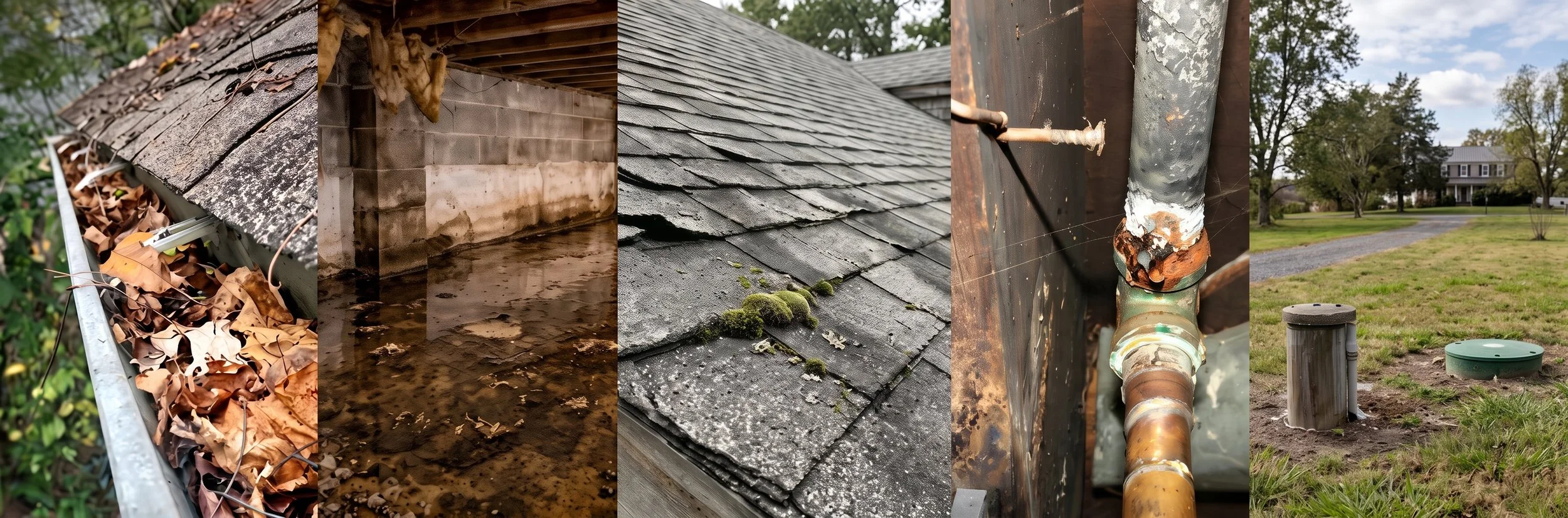
This guide walks through the problems local inspectors and homeowners see most often, and what buyers can do about them.
Why Charlottesville Homes Have Their Own Quirks
Charlottesville has a little bit of everything. There are brick homes from the early 1900s in neighborhoods like North Downtown and Belmont. There are mid-century ranches in Greenbrier and newer builds in Crozet and along the Route 29 corridor. Out in Albemarle County, many homes sit on large lots with wells, septic systems, and long gravel driveways.
The local climate plays a role too. Central Virginia has hot, humid summers, cold snaps in winter, and plenty of rain throughout the year. Add in the region’s famous red clay soil and lots of mature trees, and it is easy to see why homes here need regular attention.
Common Home Maintenance Issues Caused by Water and Moisture
If there is one thing local experts warn about most, it is water. Moisture is behind many of the common home maintenance issues in central Virginia.
The red clay soil found across the Charlottesville area does not drain well. When heavy rain hits, water can pool around a home’s foundation instead of soaking into the ground. Over time, this can lead to damp basements, wet crawl spaces, and even cracks in the foundation.
Buyers should look for signs like water stains on basement walls, a musty smell, white chalky marks on concrete, or standing water near the house. Simple fixes, such as extending downspouts and making sure the ground slopes away from the home, can make a big difference. Some homes may need a sump pump, a dehumidifier, or a sealed crawl space.
Summer humidity also matters. Without good airflow, damp areas can grow mold. A dehumidifier in the basement is a common and affordable tool for many local homeowners.
Gutters, Trees, and Fall Leaves
Charlottesville is known for its beautiful trees, especially in the fall when the Blue Ridge Mountains glow with color. But those same trees can cause trouble for a home.
Leaves and twigs clog gutters quickly, especially on wooded lots in neighborhoods like Ivy, Farmington, and the hills around town. When gutters overflow, water spills down the siding and pools at the foundation. This can lead to rot, leaks, and the moisture problems mentioned above.
Most homeowners here clean their gutters at least twice a year, often in late fall and again in spring. Gutter guards can help. Buyers should also look for large trees hanging over the roof, since heavy limbs can break during storms or ice.
Roofs and Weather Wear
A roof protects everything beneath it, so its condition matters a lot. Asphalt shingle roofs, the most common type in the area, often last around 20 to 25 years, depending on quality and care.
Hot summers, winter freezes, and strong storms all take a toll. Buyers should ask how old the roof is and look for missing or curling shingles, moss, or dark spots. Inside the home, water stains on ceilings can be a warning sign.
Many historic homes in Charlottesville have metal or slate roofs. These can last a very long time but may need a specialist for repairs, which can cost more.
Heating and Cooling Systems
Many homes in the Charlottesville area use heat pumps, which both heat and cool the home. They work well in central Virginia’s mild winters, but like any system, they wear out over time.
A typical heat pump or air conditioner lasts roughly 12 to 15 years. Buyers should ask for the age of the system and any service records. Regular filter changes and yearly tune-ups help it run better and last longer.
Older homes may still have oil furnaces, boilers, or window air conditioners. These are not deal breakers, but they can affect comfort and energy bills, so they are worth factoring into the budget.
Older Home Concerns in Historic Neighborhoods
Part of Charlottesville’s charm is its historic homes. Front porches, tall windows, and original hardwood floors draw many buyers to neighborhoods near downtown and UVA. But older homes can come with older systems.
Some homes may have outdated wiring, such as knob-and-tube wiring, which may need to be replaced. Older plumbing, like galvanized steel pipes, can rust and clog over time. Homes built before 1978 may also have lead-based paint, which needs careful handling during repairs or renovations.
Homes in certain historic districts may also have rules about changes to the outside of the house. In the City of Charlottesville, some exterior projects, like replacing windows or adding on, may need approval from the city’s Board of Architectural Review. Buyers who plan to renovate should check this early.
Termites and Wood-Destroying Insects
Termites are active in Virginia, and they can quietly damage wood framing, floors, and porches. In fact, a wood-destroying insect inspection is a common part of home sales in Virginia, and some loans require one.
Buyers should watch for signs like mud tubes along the foundation, soft or hollow-sounding wood, or small piles of wings near windows. Many homeowners keep an ongoing termite protection plan with a local pest control company for peace of mind.
Wells and Septic Systems in the County
Many homes in Albemarle County and nearby rural areas are not connected to public water and sewer. Instead, they rely on a private well and a septic system.
These systems work well when they are cared for, but they need regular attention. Septic tanks usually need to be pumped every few years, depending on the size of the household. Well water should be tested for safety, and well pumps can wear out over time.
Buyers looking at country homes in places like Free Union, North Garden, or Keswick should have both the well and septic system inspected before closing. It is a small cost compared to the price of a replacement.
Radon in Central Virginia
Radon is a natural gas that comes from the ground. It has no smell or color, and high levels over time can be a health concern. Radon is found in many parts of central Virginia, so testing is a smart step for any buyer.
The good news is that radon testing is simple and inexpensive, and it is often done during the home inspection. If levels are high, a mitigation system can usually lower them quickly and at a reasonable cost.
How Buyers Can Protect Themselves
Understanding the well-known home maintenance issues in Charlottesville is the first step. The next step is taking action before closing.
A professional home inspection is one of the best investments a buyer can make. Virginia is often called a “buyer beware” state, which means buyers are expected to do their own homework. Specialized inspections, such as radon, termite, well, septic, and chimney checks, can add even more protection.
It also helps to set aside money each year for upkeep. Many experts suggest budgeting about 1% to 2% of a home’s value each year for maintenance and repairs. That way, a surprise repair does not become a financial emergency.
Buy With Confidence and a Local Guide
Every home has its quirks, but the right knowledge and support can make all the difference. For buyers who want to understand a home before they commit, Realtor Jamie White is a trusted local guide. Jamie knows Charlottesville’s neighborhoods, from historic city streets to rural county properties, and helps buyers spot common home maintenance issues, ask the right questions, and connect with trusted local inspectors. Anyone ready to start their search can reach out to Jamie White for honest advice and a smooth path to the right home.