

Finding the right home in Charlottesville is a dream for many buyers. From the historic homes surrounding the Downtown Mall to the rolling hills of Albemarle County, our region offers a rich variety of properties. However, buying a home is also one of the biggest investments a person will make. Falling in love with charming hardwood floors or a cozy porch is easy, but missing hidden structural or mechanical problems can quickly lead to regret. Buyers often wonder how they can spot Expensive Home Repairs before making an offer on a property.
Spotting big issues early allows home buyers to negotiate repairs, ask for financial credits, or simply walk away from a bad deal. While a professional inspector provides a complete evaluation later in the process, visual clues during an open house can tell buyers a lot about a building's true condition.
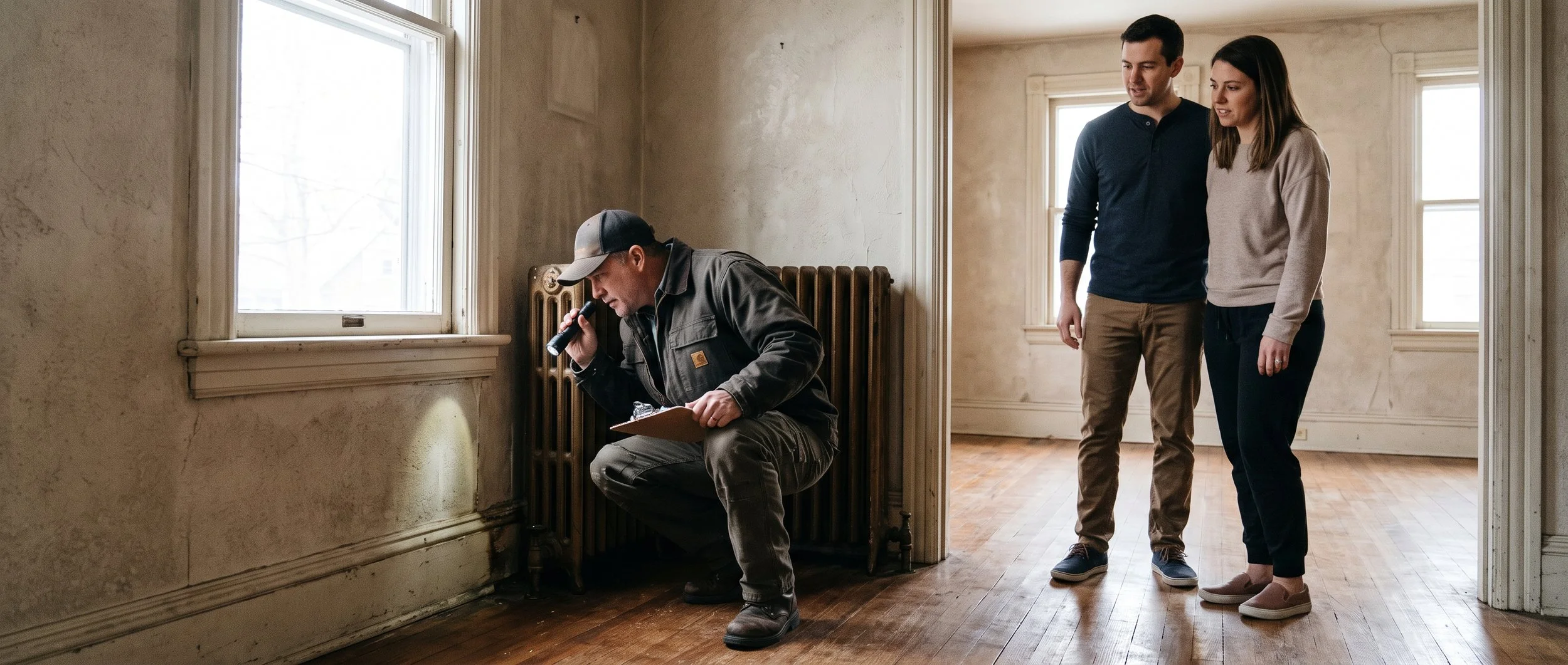
Here are the primary areas buyers should evaluate to figure out if a property requires major work.
Start with the Roof and Outer Walls
The outside of a house takes the brunt of the local weather. Charlottesville experiences all four seasons, including hot summer humidity, heavy rainfall, and cold winter freezing. Over time, these weather patterns wear down building materials.
When walking up to a property, buyers should look closely at the roofline. Are the shingles curling, cracking, or missing entirely? A roof nearing the end of its life span often looks uneven or discolored. Replacing a roof is a major expense that can cost tens of thousands of dollars depending on the square footage.
Next, examine the exterior walls and siding. Moss or dark stains on stone or wood can mean moisture is trapped behind the walls. Around foundation bases, buyers should look for cracks. Fine hairline cracks in concrete are common as homes settle, but wide horizontal cracks or stair-step cracks in brickwork often point to foundation movement. Foundation work is notorious for being costly and time-consuming to fix.
Check for Water Damage and Moisture Problems
Water is a house's worst enemy. In our area, heavy rain showers and local clay soils can cause drainage problems if gutters and downspouts are not maintained.
Inside the home, buyers should check ceilings and walls for discolored rings or yellowing patches. These marks usually mean a leaking pipe or a damaged roof above. Peeling paint around windows or bubbling drywall near floorboards can also point to hidden water intrusion.
Buyers should pay close attention in the basement or crawl space. A damp, musty smell is a big red flag. Look for white, powdery residue on basement walls, which is known as efflorescence. This powder forms when moisture moves through masonry and leaves behind salt deposits. Standing water, water stains along baseboards, or new sump pumps are clear signs that a house struggles with drainage. Fixing wet basements often requires deep exterior trenching, French drains, or specialized waterproofing.
Evaluate the Heating, Cooling, and Electrical Systems
Modern comfort depends heavily on mechanical systems. Replacing a heating, ventilation, and air conditioning system—commonly known as HVAC—is another major expense that can catch buyers off guard.
When touring a home, check the age tags on the furnace and outdoor AC compressor. Most HVAC systems last between 15 and 20 years. If the equipment looks rusted, noisy, or outdated, replacement may be right around the corner.
Electrical systems also deserve a close look, especially in older neighborhood homes built before 1970. Look at the main electrical panel. Older fuse boxes or outdated electrical panels may not handle modern appliance loads and often fail to meet current safety standards. Rewiring an entire house is an invasive process that requires tearing into walls, making it both messy and costly.
Watch for Signs of Structural Droop and Sagging
A sturdy home needs a strong frame. While some charm in historic houses comes from character, significant sagging or unevenness can point to structural defects.
As buyers walk through rooms, they should pay attention to how the floor feels beneath their feet. Do the floors slope, bounce, or creak heavily? Sloping floors can indicate rotten floor joists, insect damage, or settling support piers beneath the house.
Another visual clue is the doors and windows. Do interior doors swing open on their own or stick tightly in their frames? Are there diagonal cracks extending from the top corners of doorframes or windows? When a house settles unevenly, the rectangular frames distort into parallelograms, making windows and doors stick. While sticking doors can sometimes be fixed with simple adjustments, widespread sticking combined with wall cracks usually indicates deep structural movement.
Inspect Plumbing Lines and Fixtures
Plumbing repairs can escalate quickly if pipes are old or corroded. While buyers cannot see inside the walls, they can check visible pipes under sinks, in basements, or near water heaters.
Look for signs of corrosion or green discoloration on copper pipes, and check for active drips under kitchen and bathroom vanities. Turn on faucets to test water pressure and run multiple taps at once. A noticeable drop in pressure can mean clogged or undersized supply lines.
In older homes, galvanized iron pipes were common. Over decades, these pipes rust from the inside out, restricting water flow and eventually bursting. Replacing main water supply lines or sewer lines connecting to municipal mains can require digging up lawns and driveways, creating unexpected expenses for new owners. Additionally, check the age of the water heater. Water heaters typically last 10 to 12 years before requiring replacement.
Look for Clues of Deferred Maintenance
How a owner cares for minor details often reflects how they care for major home systems. A house with dozens of minor, unaddressed issues likely has major hidden problems too.
Signs of deferred maintenance include:
Broken window seals with fogged glass paning
Clogged, sagging, or disconnected rain gutters
Overgrown trees and vegetation resting directly against siding or roofs
Missing trim or unsealed exterior wood
Cracked or broken tiles in bathrooms and kitchens
When homeowners neglect basic seasonal chores, larger systems suffer. For instance, clogged gutters cause water to spill over foundation walls, eventually causing basement leaks and foundation cracks. Failing to address small items over time makes expensive home repairs almost guaranteed for the next owner.
How Spotting Expensive Home Repairs Protects Your Investment
Recognizing the signs of major house defects empowers buyers to make smart financial choices. It prevents emotional decision-making and ensures that buyers do not spend their savings on a purchase price only to face massive surprise repair bills after closing day.
When buyers spot potential red flags during a walkthrough, they can request specialized inspections from plumbers, structural engineers, or roofers before removing contract contingencies. Knowledge is power during real estate negotiations, and understanding a building's true condition ensures fair pricing.
Work with a trusted Local Real Estate Expert
Navigating the local housing market requires a trusted guide who understands both property values and construction quality. Whether exploring historic properties near Charlottesville or suburban neighborhoods in Albemarle County, having an experienced professional in your corner makes all the difference.
For trusted guidance, top-tier market strategy, and expert representation, buyers should reach out to Realtor Jamie White. With deep roots in the local community and years of real estate experience, Jamie helps home buyers identify hidden risks, negotiate fair terms, and find the perfect place to call home. Contact Realtor Jamie White today to begin your home buying journey with confidence!