

Touring properties across Central Virginia is one of the most exciting parts of shopping for real estate. Whether you picture yourself living along the historic brick sidewalks of Belmont or settling down in a quiet cul-de-sac in Albemarle County, walking through the front door makes your move feel real. However, a private home showing is much more than a casual visit. It is your best chance to look past trendy staging furniture and examine the true condition of the structure before making an offer.
Charlottesville features a wide variety of architectural styles, from charming 1920s craftsmen in North Downtown to modern townhomes out in Crozet. Each house comes with its own history, quirks, and maintenance background. Knowing exactly what to evaluate during every scheduled home showing protects your budget and helps you avoid expensive surprises down the road.
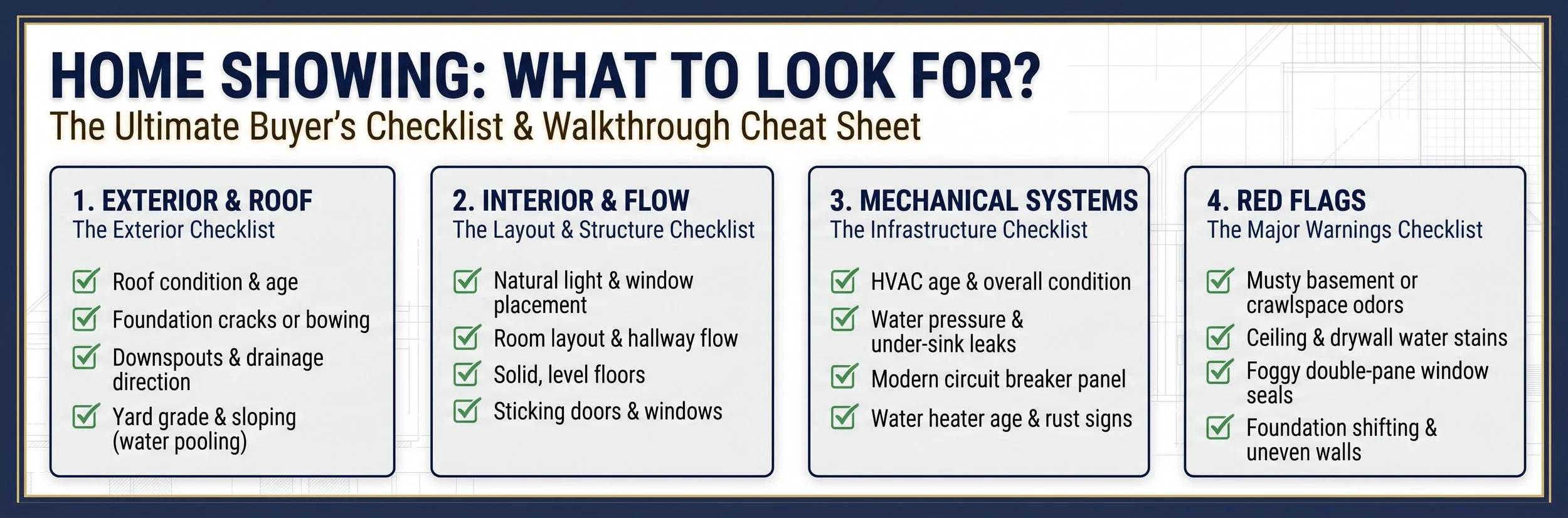
Here is your practical walkthrough guide to evaluating any local home with a keen, trained eye.
Start Your Home Showing Outside with the Grounds and Roof
Smart buyers always begin their assessment out on the street. Before you step onto the front porch, take a step back and examine the exterior envelope of the house. Look directly at the roofline. Are the shingles lying flat, or do they look curled, cracked, or patchy? Replacing a roof is a significant expense, so noting its general age and condition gives you immediate leverage.
Next, look closely at how rainwater moves around the property. Central Virginia experiences hearty summer thunderstorms and wet winter days. You want to see downspouts directing water at least five feet away from the foundation walls. Walk the perimeter of the foundation and check for large diagonal cracks in the masonry or brickwork. A small hairline settling crack is common in older Virginia houses, but large gaps or leaning walls can signal shifting soil.
Take note of the yard grade as well. If the lawn slopes downward toward the basement or crawl space walls instead of away from them, heavy rains could lead to damp basements or unwanted moisture intrusion.
Step Inside to Inspect Natural Flow and Lighting
As soon as you walk inside, pause and pay attention to how the space feels. Staging companies do a wonderful job using soft lamps and pleasant scents, but you want to evaluate the home under natural conditions. Notice where the windows face and how much natural daylight fills the main living areas.
Check the floor plan to see if it truly fits your daily routine. Think about carrying groceries in from the driveway or garage to the kitchen. Is there an easy path, or will you have to navigate awkward stairs and narrow hallways? If you need a quiet place to work remotely, see whether the home office space offers real privacy from the television room and busy kitchen areas.
Feel the floor under your shoes as you walk from room to room. Do the floors feel solid and level, or do you notice sloping, squeaking, or springy spots? Uneven flooring in an older home can point to simple subfloor wear, but it can also indicate shifting joists underneath that deserve a closer look.
Check Plumbing, Electrical, and Climate Systems
Mechanical systems keep your house comfortable throughout every season, from muggy July afternoons to crisp January mornings near the Blue Ridge Mountains. During your home showing, do not hesitate to test the basics.
Turn on bathroom faucets to gauge water pressure, and flush the toilets to see how quickly they clear and refill. Look under the sinks with your smartphone flashlight to check for damp wood, active drips, water rings, or mold. These small signs reveal whether the current owners stay on top of routine plumbing leaks.
Locate the heating and cooling systems. Central Virginia homes often use heat pumps, gas furnaces, or boiler systems. Check the manufacturer sticker on the side of the unit to see the install date. Most heating and cooling units last between fifteen and twenty years. If the system is older, you will want to budget for a planned replacement down the road.
Open the electrical panel door as well. Make sure it uses modern circuit breakers rather than outdated glass fuses. If you are viewing a historic home near the University of Virginia or downtown, ask whether the wiring has been updated to handle modern appliances, computers, and home charging equipment.
Watch for Moisture, Water Stains, and Windows
Water is a home’s worst enemy, making moisture checks essential. Scan the ceilings in every room, especially directly below upstairs bathrooms. Water stains, peeling paint, or fresh patches of mismatched paint on a ceiling can mean a past plumbing leak or an active roof issue that was simply painted over for the listing.
In the basement or crawl space, use your sense of smell. A strong, musty odor usually points to elevated humidity or hidden water problems. Look along the bottom edges of the basement walls for efflorescence, which looks like a white, chalky powder left behind when water evaporates through concrete.
Take time to open and close a few random windows and doors. Windows that stick or refuse to latch properly can simply be painted shut, but multiple sticking doors throughout a house can indicate settling foundation piers. Check the glass on double-pane windows to confirm that the seals are intact. If you spot fog, haze, or trapped moisture droplets between the glass panes, the seal has failed and the glass sash will need replacement.
Explore the Neighborhood and Everyday Convenience
A great house in the wrong location will never feel like the right home. After your initial showing wraps up, spend thirty minutes exploring the immediate surroundings. Drive the neighborhood streets at different times of day to see what traffic looks like during morning commutes.
Notice how close you are to local Charlottesville staples. Can you easily walk down to the Historic Downtown Mall for Saturday dinner, grab a quick morning bagel, or jump onto Route 29 or Interstate 64 without getting stuck in heavy traffic? Are there sidewalks for walking the dog, or nearby parks along the Rivanna River where kids can play?
Listen to the ambient noise as well. Check for nearby train tracks, highway hum, or flight paths that could interrupt quiet evenings on your back deck. Taking in the surrounding community helps you confirm that the address matches your everyday lifestyle.
Work with Realtor Jamie White for Your Charlottesville Search
Walking through listings and spotting hidden property flaws is much easier when you have an experienced local advocate at your side. You deserve a trusted partner who knows Charlottesville neighborhoods inside and out and helps you evaluate homes with objective, honest advice.
For dedicated, client-focused representation across Central Virginia, partner with Realtor Jamie White. Jamie brings deep knowledge of local building trends, neighborhood values, and purchase strategies in Charlottesville and Albemarle County. Whether you are searching for a starter home, a downtown condo, or a spacious country retreat, Jamie helps you navigate every property tour with total confidence. Contact Realtor Jamie White today to schedule your next home tour and find the perfect Central Virginia property!