

Finding a home in Charlottesville often starts with a single central hub: the University of Virginia. Whether you are a healthcare professional at the medical center, a new faculty member, or simply a buyer looking for a vibrant neighborhood, living near the historic Grounds places you right at the cultural heart of central Virginia.
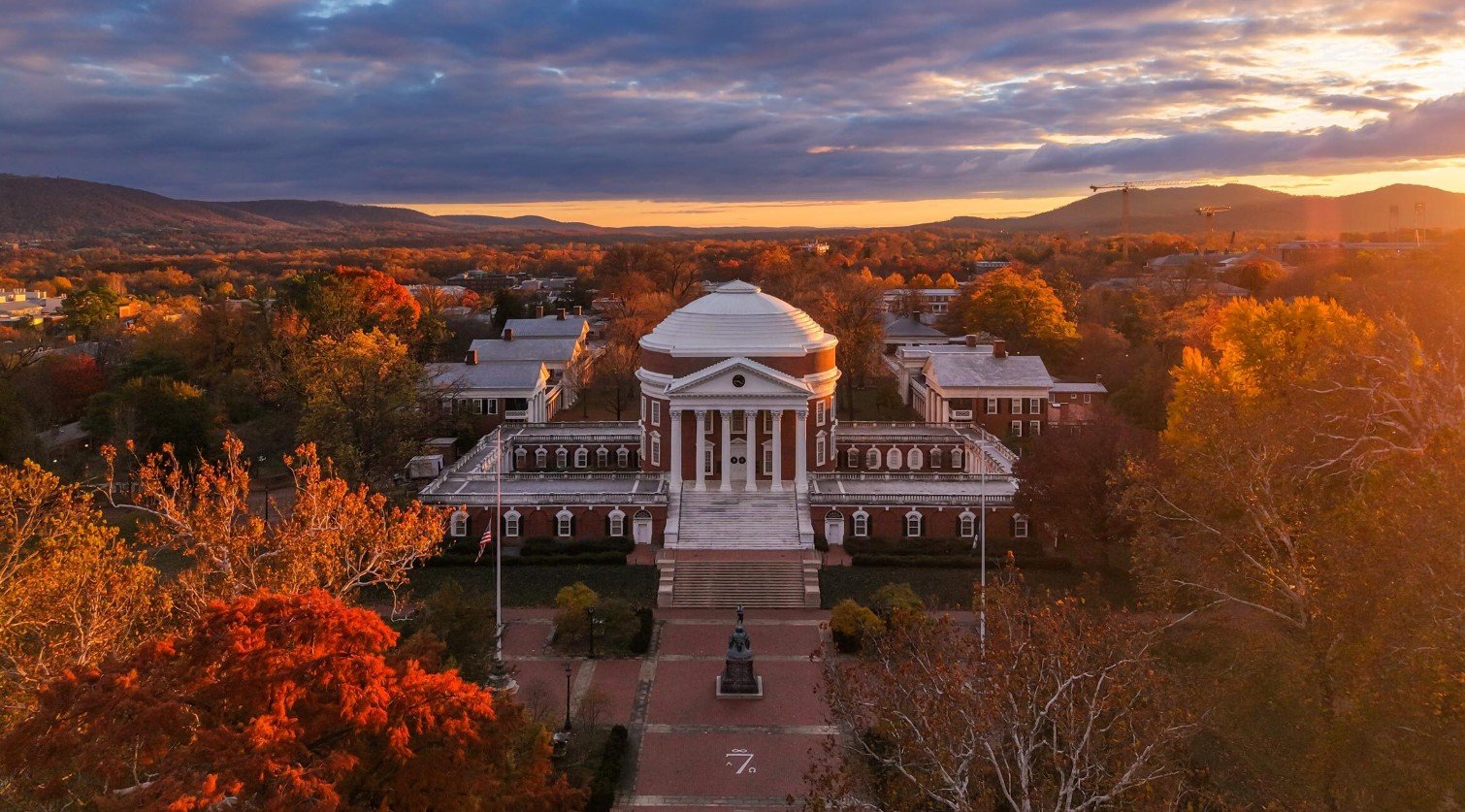
At the same time, life in a busy university town comes with distinct quirks. Before making an offer on a home or signing a lease, buyers should weigh both the perks and the everyday tradeoffs of settling near Grounds. Here are five major pros and cons every homebuyer should know.
Pro 1: Incredible Walkability to Culture, Food, and Grounds
One of the greatest benefits of living close to campus is having daily conveniences just steps outside your front door. In communities like Venable, 10th and Page, and along Jefferson Park Avenue, running daily errands does not require sitting behind a steering wheel. You can walk to grab a morning coffee on University Avenue, take an evening stroll past the classic Rotunda, or browse independent shops without ever looking for a parking spot.
The district known locally as "The Corner" provides a vibrant strip of cafes, sandwich shops, and student gathering spots. Food lovers can easily grab lunch at Bodo’s Bagels or enjoy dinner at locally owned bistros right on West Main Street. Outdoor recreation is just as accessible, with the Saunders-Monticello Trail and the 20-mile Rivanna Trail network connecting University of Virginia neighborhoods directly to surrounding greenways.
Pro 2: High Real Estate Demand and Steady Long-Term Value
Properties near major educational and medical institutions have historically held steady value. With thousands of medical residents, graduate students, visiting professors, and healthcare professionals moving through Charlottesville each year, rental demand around Grounds remains remarkably consistent.
For homeowners, this consistent demand provides strong peace of mind. A single-family bungalow in Fry's Spring, a brick colonial near Rugby Road, or a condo along West Main can easily serve as a primary residence today and transition into a dependable long-term rental property down the road. While national housing trends shift up and down, local housing markets anchored by major research universities tend to stay resilient.
Pro 3: Front-Row Access to Arts, Lectures, and Division I Sports
When you live within walking distance or a short bike ride of campus, world-class entertainment is part of your regular routine. Residents can walk over to John Paul Jones Arena to catch national concert tours and high-stakes ACC basketball games. In the fall, cheering on the Cavaliers at Scott Stadium is an energetic weekend ritual that brings the entire region together.
Beyond sports, the university is a major arts hub. The Virginia Film Festival draws filmmakers and film buffs every autumn, while The Paramount Theater and The Jefferson Theater on the nearby Downtown Mall host live theatrical performances and independent concerts year-round. Living close means you can attend thought-provoking author talks, architectural exhibits, and chamber music recitals without spending half your night on a highway commute.
Pro 4: Easy Commutes for Healthcare and Academic Workers
For anyone employed by the university hospital system or academic departments, living nearby offers a priceless luxury: time. Charlottesville commute times are already modest compared to large cities like Washington, D.C. or Richmond, but living adjacent to Grounds trims daily travel down to minutes.
Medical workers doing long hospital shifts often prioritize neighborhoods like Johnson Village, Fifeville, and Fry's Spring because of their direct access to the medical center. University Transit Service (UTS) buses and city routes crisscross these streets regularly, allowing residents to save hundreds of dollars a year on parking permits, fuel, and car maintenance.
Pro 5: Beautiful Tree-Lined Streets and Historic Charm
Charlottesville is celebrated for its distinctive architecture, and university-area neighborhoods showcase this craftsmanship beautifully. Walking through Lewis Mountain or Rugby Road feels like stepping into a living design archive, with mature oak canopies, craftsman cottages, mid-century brick ranches, and stately Georgian revivals lining quiet sidewalks.
These neighborhoods also feature a strong sense of community pride. You will often see neighbors chatting on wide front porches, tending community garden plots, and walking dogs under shady street trees on pleasant spring afternoons. That classic Virginia charm is hard to replicate in modern suburban tract subdivisions.
Con 1: High Home Prices and Competitive Bidding
The primary hurdle for buyers looking near the university is cost. Because land around Grounds is limited and demand remains consistently high, prices per square foot in adjacent zip codes are among the highest in the region.
Entry-level buyers may find that their budget buys significantly less square footage near the campus core compared to outer Albemarle County communities like Hollymead, Pantops, or Crozet. Furthermore, when well-maintained historic homes hit the market in favorite neighborhoods like Venable or Belmont, multiple-offer situations are common, requiring buyers to be fully prepared and financially pre-approved.
Con 2: Fall Student Move-In and Game Day Congestion
Life next to an energetic campus is rarely silent. While summer months can feel sleepy and peaceful as many students depart, late August brings an immediate surge of energy, moving vans, and new foot traffic.
Autumn home football games and spring graduation weekends can bring street closures, packed grocery aisles, and heavy bottlenecks along Emmett Street and Route 29. If you crave absolute rural stillness every weekend, the bustling energy near Grounds may take some personal adjustment.
Con 3: Parking Restrictions and Permit Zones
If you own multiple cars or enjoy hosting large family dinners, parking near campus can become an ongoing headache. Because off-campus students and hospital visitors frequently seek free street parking, the City of Charlottesville enforces strict residential parking permit zones across neighboring subdivisions.
Many older properties built in the early 20th century feature narrow shared driveways or lack off-street garages entirely. Homeowners and their guests must carefully follow street signage and keep residential permits updated to avoid costly city parking tickets.
Con 4: Managing a Mix of Rentals and Student Life
Subdivisions nearest to campus naturally contain a significant proportion of student rental housing. Depending on your exact street and block, your next-door neighbor could be a quiet retired professor, or it could be a rental property home to four undergraduate students.
While most student renters are friendly, occasional late-night weekend noise, yard upkeep differences, and annual tenant turnover can be frustrating for homeowners seeking a permanent, quiet neighborhood dynamic. Knowing how to read a street's rental density block by block is crucial before buying.
Con 5: Older Homes That Demand Regular Upkeep
Many of the homes closest to the university were constructed between 1900 and 1960. While these historic properties boast beautiful hardwood floors, masonry fireplaces, and distinctive rooflines, they often bring older mechanical systems.
Prospective buyers must be ready for common older-home quirks, such as stone foundations, vintage plaster walls, aging plumbing lines, and heating systems that need modern upgrades. Factoring in a healthy home maintenance reserve is essential if you plan to purchase an older home in these classic neighborhoods.
Choosing the Best Neighborhood for You Around University of Virginia
Finding the right home near the University of Virginia comes down to identifying which trade-offs fit your lifestyle. If you value walking to morning coffee, attending university lectures, and cutting your daily commute to practically zero, the energetic rhythm of campus-adjacent neighborhoods is well worth the investment. On the other hand, if you want a large fenced backyard, a two-car garage, and total weekend quiet, you may want to look a few miles outward to surrounding county neighborhoods.
Charlottesville is full of unique micro-neighborhoods, and each street has its own feel and culture. Having a trusted guide on your side helps you spot the hidden gems and steer clear of overpriced surprises. For local advice and attentive service across Charlottesville and Albemarle County, reach out to local Realtor Jamie White to guide your next home search.y