

Buying a home is exciting, but it is also one of the biggest purchases most people will ever make. Before signing the final papers, buyers want to know exactly what they are getting. That is where a home inspection comes in. This quick guide to home inspections explains what happens during an inspection, what inspectors look for, and how buyers in Charlottesville can use the results to make smart decisions.
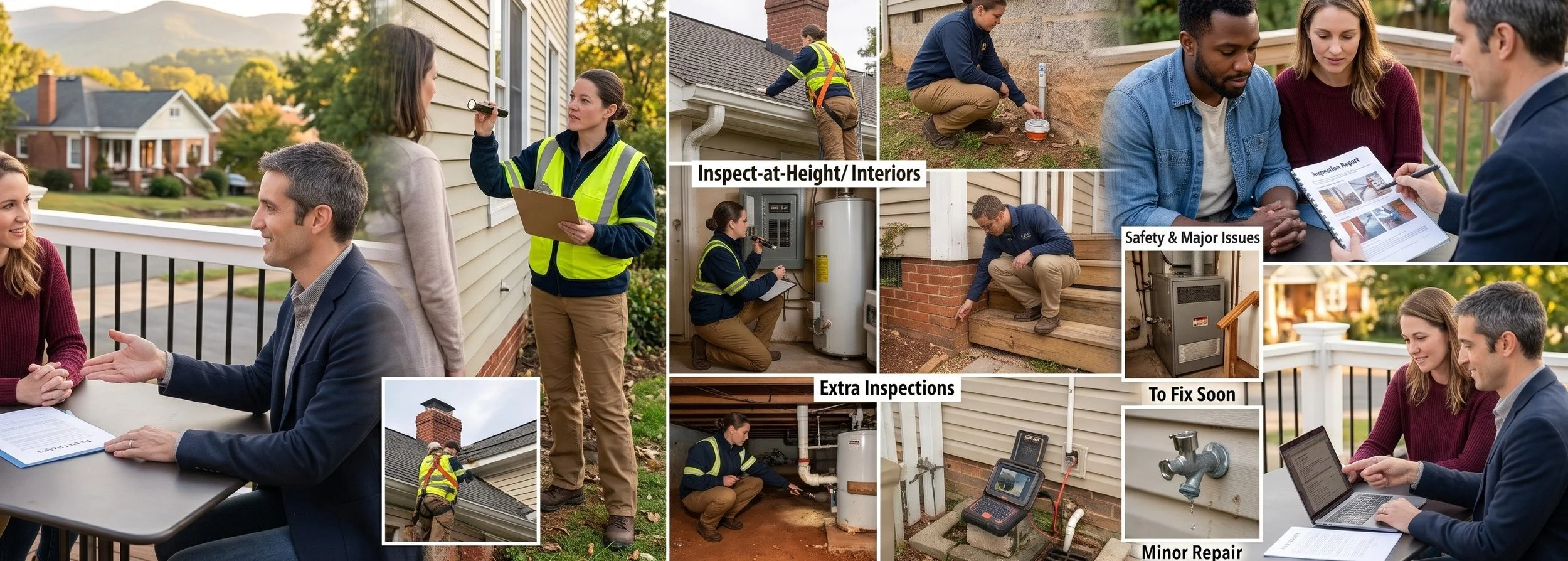
With the right knowledge, an inspection can bring peace of mind and even save buyers thousands of dollars.
What Is a Home Inspection?
A home inspection is a careful look at a home's condition by a trained professional. The inspector checks the major parts of the house, from the roof to the foundation, and writes a report on what they find.
An inspection is not the same as an appraisal. An appraisal tells the lender what the home is worth. An inspection tells the buyer what shape the home is in. Both matter, but they answer very different questions.
In Virginia, home inspectors must be licensed by the state. Buyers can check an inspector's license online before hiring them.
When Does the Inspection Happen?
Most inspections take place soon after the seller accepts an offer. Many purchase contracts include an inspection contingency. This gives buyers a set number of days to complete the inspection and decide how to move forward.
During this window, buyers can ask for repairs, ask for a price cut or credit, or in some cases walk away from the deal. Because the timeline is short, it helps to line up an inspector early, even before making an offer.
What Inspectors Look For
A standard home inspection covers the main systems and structure of the house. Inspectors usually check the roof, gutters, and chimney. They look at the foundation, walls, floors, windows, and doors.
Inside, they test the heating and cooling systems, the water heater, plumbing, and electrical panels. They run faucets, flip switches, and check outlets. They also look in the attic and crawl space for signs of leaks, poor insulation, or pests.
Most inspections take two to four hours, depending on the size and age of the home. Buyers are encouraged to attend, ask questions, and see any problems in person.
Local Factors in Charlottesville
Every region has its own quirks, and Charlottesville is no exception. The area has a wide mix of homes, from 1920s bungalows in Belmont and Fry's Spring to newer builds in Crozet and Forest Lakes. Older homes may have outdated wiring, old pipes, or original windows that need attention.
Central Virginia's red clay soil can hold water, which may lead to damp basements or foundation movement over time. Inspectors here pay close attention to drainage, grading, and signs of moisture.
Many homes in Albemarle County use private wells and septic systems instead of city water and sewer. A standard inspection often does not cover these, so buyers of country homes should plan for separate well and septic inspections.
Extra Inspections Worth Considering
Some issues need a specialist. Radon testing is a smart step in central Virginia, since this invisible gas can seep up from the ground. A simple test can show if levels are high.
A wood-destroying insect inspection checks for termites and other pests. Many lenders require one, and it is a good idea even when they do not. Other add-ons may include a sewer line camera scope, a chimney inspection, or a closer look at the roof or foundation by a specialist.
A Quick Guide to Home Inspections for Reading the Report
After the inspection, buyers receive a detailed report, often with photos. It can feel long and a little scary at first. Almost every home has some issues, even brand-new ones.
The key is knowing which problems matter. Safety hazards, structural concerns, roof leaks, and failing major systems deserve the most attention. Small items like a loose cabinet door or a dripping faucet are usually easy fixes.
Following this quick guide, buyers can sort the report into three groups: major issues, items to fix soon, and minor repairs. This makes it easier to decide what to ask the seller to handle.
Negotiating After the Inspection
Once buyers understand the report, they can decide on next steps. They might ask the seller to make certain repairs before closing. Another option is to ask for a lower price or a credit at closing to cover the work.
In a competitive market, buyers often focus only on big-ticket or safety items. Asking for too many small fixes can sour the deal. A local Realtor can help buyers decide what is reasonable to request based on the home, the market, and the seller.
If the inspection uncovers serious problems, the contingency may allow buyers to walk away. This is one of the most important protections an inspection provides.
Common Mistakes to Avoid
One common mistake is skipping the inspection to make an offer more attractive. This can lead to costly surprises after moving in. Instead, buyers can shorten the inspection period or agree to ask only for major repairs.
Another mistake is hiring an inspector without checking credentials or reviews. Buyers should look for someone licensed, experienced with local homes, and willing to explain findings clearly.
Finally, some buyers do not attend the inspection. Being there in person helps buyers learn about the home, from where the water shut-off valve is to how old the furnace is. Walking through the home with the inspector is always worth the time.
Why the Inspection Matters
A home inspection is one of the best tools buyers have. It turns unknowns into clear facts, helps buyers plan for future repairs, and gives them the confidence to move forward or walk away.
For buyers new to the area, an inspection also offers a helpful introduction to the home's systems and maintenance needs. For buyers who keep this quick guide to home inspections handy, the whole process feels much less stressful.
Work With a Trusted Local Guide
The inspection process goes much more smoothly with an experienced Realtor on the team. A local agent can recommend trusted inspectors, explain the report, and help negotiate repairs or credits.
Realtor Jamie White knows Charlottesville and Albemarle County homes inside and out, from historic houses near downtown to country properties with wells and septic systems. Jamie can guide buyers through every step of the inspection and help them make confident decisions. Reach out to Jamie White today to start the search for a home with peace of mind.